
The Transplants
Note: My newsletter is motivated by a combination of exploring ideas and exploring different methods for expressing ideas. This month’s installment focuses on the latter, so I encourage you to read without any expectations.
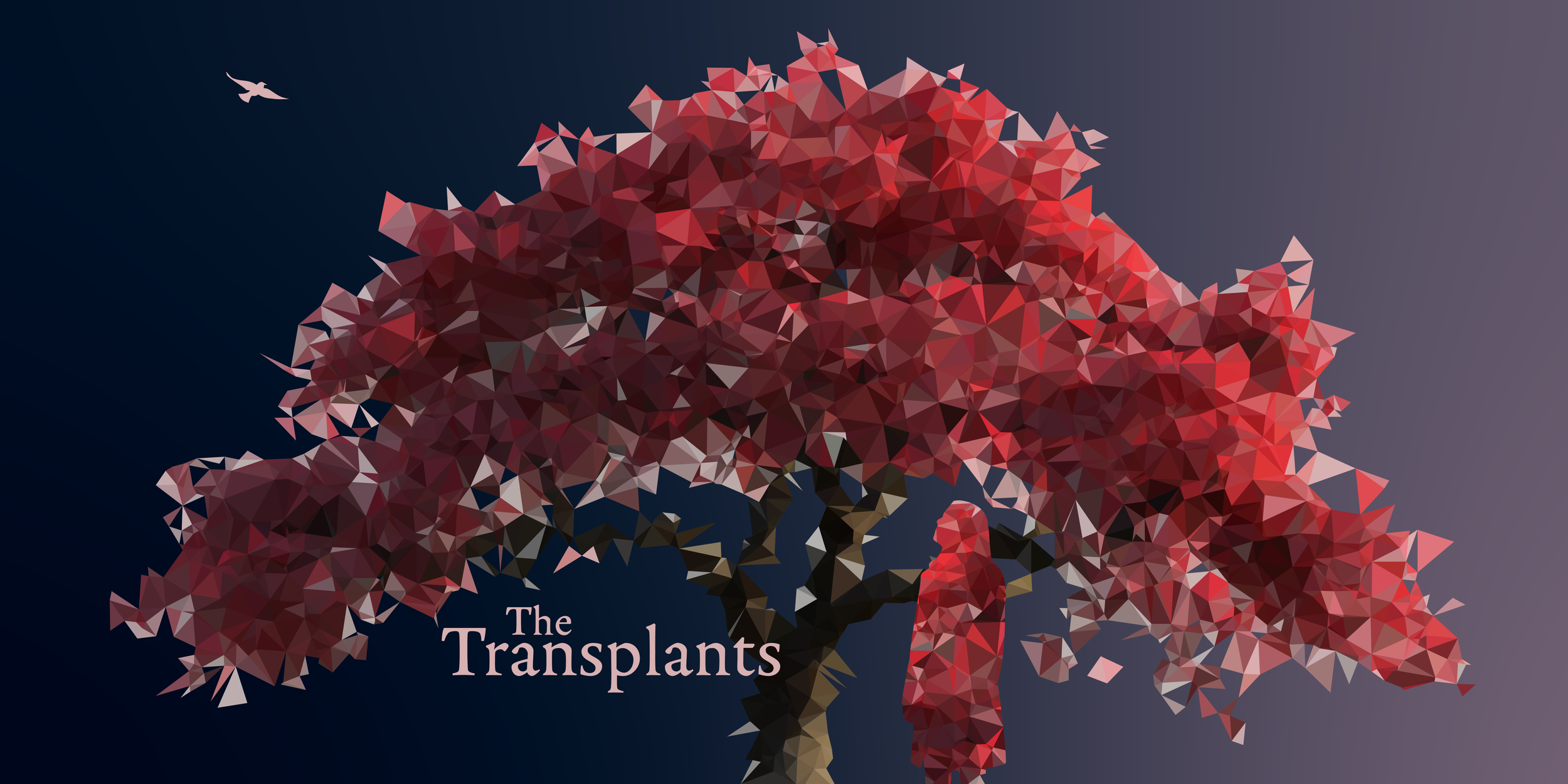
“City trees are like street kids – isolated and struggling against the odds without strong roots.”
-Peter Wohlleben
The red maple had been in the neighborhood a long time, maybe 50 years. It studied the steady seasonal rhythms. Cold, naked winters; blooming, transformational springs; steady, humid summers; and colorful, windy falls. It started barely as tall as the people, but grew to peer over her row house, which itself was three times older.
And yet the tree had witnessed so much change. The buildings changed. Some were torn down and replaced, some were rehabilitated, and others just aged, their windows rattling in their panes just a little more each year. The cars that passed in the street changed too. They grew. Even the steady patterns in the brick sidewalks evolved with plants, roots, and cracks.
But what most changed was the people. The tiny babies in bassinets grew up and left. Parents became grandparents and then passed away. The young woman passed by for many years, often alone. She disappeared for a few years before moving into the house with her young family.
The tree had lots of time to observe because it was more or less alone. There were other street trees along the block, mostly red maples, given how well they hold up to the challenging conditions of street life: compacted soil, street salt, and heat island. There were other trees in nearby front yards, mostly decorative cherry blossoms and dogwoods that liked to show off in the springtime. None were close enough to share the communication network that forest trees have, the vast subterranean fungal web, where they trade food and warnings.
Yet being alone did not mean loneliness. The tree had its regulars. Birds and squirrels transited its branches. Small children claimed its fallen sticks. Midday runners welcomed its shade. The tree appreciated being unique and noticed in a way that would be impossible in the forest. What it most appreciated was the woman who moved into the house with her family. She took care of it, building a tree box to protect its roots, filling the box with mulch, and clearing the leaves each fall.
She grew up in a distant rural state, where there were far more trees than people. Because her hometown was such a small town, folks were always in each other’s business. She felt their networks were stiflingly connected. As soon as she could go to college, she went to university in the largest city her small state could support. There were so many people there and so much going on that, if she just wanted to stay home one night, it wouldn’t be the top of the gossip among the old ladies speculating if she had broken up with her boyfriend again. She loved the chance to find anonymity yet also choose a close community.
She graduated and took a job in this bigger, distant city. She found an apartment in a tree-lined historic neighborhood of townhouses. While she didn’t miss her hometown that much, the trees did remind her of her own roots. She read The Hidden Life of Trees, which bemoaned the loneliness of street trees, so she gave each one of them names and backstories.
She fell in love and moved to an area with lots of energy and nightlife. But when they had a baby, they thought it was time to move to a quieter neighborhood like the one she left a few years before. One with trees and walkable streets. One that couldn’t be built anymore. When they toured the house, the first thing she noticed was the red maple. The decision to buy that house was essentially made then. She and her family moved in shortly after.
Every morning since, as she struggled to awaken and face the day, she would raise the shade in her bedroom to be greeted by the tree. And she liked to think it greeted her back.