
The Parable of the Sewer
The needle and thread kind
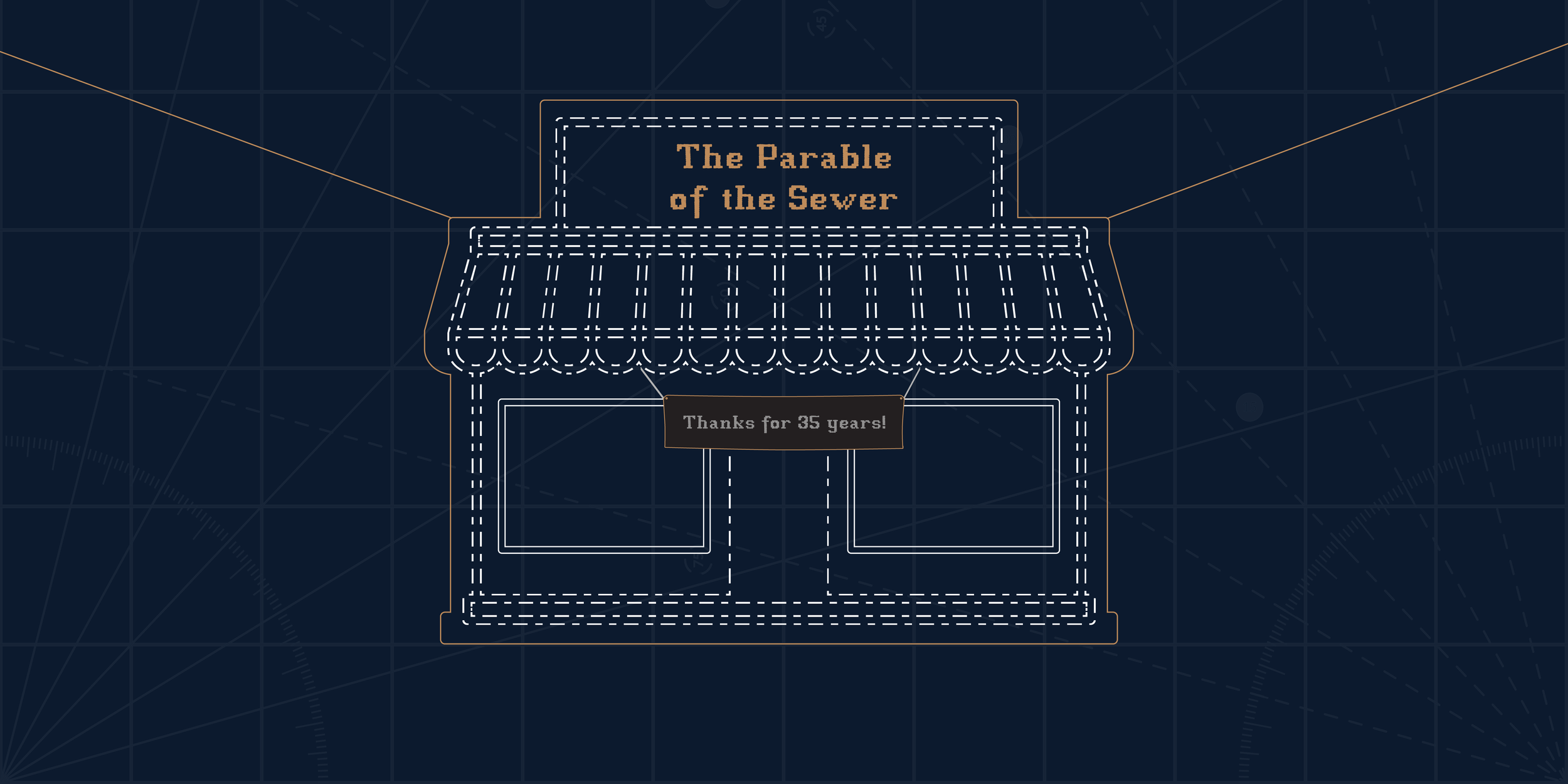
There was once a sewing machine repair shop on a main street in a midsized city.
The owner opened it decades ago with a small loan and a big conviction: that there would always be people who stitched, mended, tinkered, and created. The early years were shaky. More than once she wasn’t sure she’d make rent.
Slowly the business found its rhythm. Hobbyists, quilters, home sewists, and the “fix-this-myself” crowd all came through her door. She became locally famous for her fast repairs and gentle coaching on jammed bobbins.
After a decade of hard work, she was finally living the dream she had risked so much to build. She was even able to expand into the space next door so she could repair other appliances and sell yarn and fabric.
But over time, the world did what it does: it changed. Fewer people sewed. Cheaper imported clothes encouraged people to replace rather than repair. A big-box store up the road sold clothes, fabric, and small appliances alongside groceries, tires, and pet food in one convenient stop.
She noticed the change first in the quiet afternoons. Then the quiet mornings. The expansion space she’d leased sat half-full despite her best attempts to diversify. The worry crept in.
One day, a local fitness instructor approached her with an idea: What if we partnered? I need space for classes. You’ve got space. It could bring in a new audience, help cover your rent, and maybe even blend crafts with community wellness.
The proposal was inventive, but to the owner, it was too far from what the shop was meant to be. She hadn’t opened a sewing shop to host squats and silly ballet moves. So she politely declined.
Instead, she doubled down on what she knew.
She fought for zoning restrictions to block more big-box stores. She joined a campaign for tariffs on imported clothing. She launched a “Make It Yourself” marketing effort that felt righteous and nostalgic and entirely aligned with her values.
These actions felt good. They felt principled. They felt like defending the little guy.
The shop tightened its footprint. She gave up the expansion bay. Her landlord provided some short-term rent relief, but he had a mortgage too. And he was acutely aware of the bank branch and the restaurant group inquiring about vacancies.
None of these actions addressed the underlying reality that the habits and economics of sewing had fundamentally changed.
Three decades after she first turned the key in the front door, the owner closed it one last time. A few months later, a yoga studio moved in.
It wasn’t the future she imagined for her shop but it was what the neighborhood wanted. Saturday mornings now brought a different kind of hum: mats unrolled, water bottles clinking, the rhythmic playlists leaking through the walls. It was another kind of community, alive in a different way.
Her shop lived on in quieter places: in the hems she’d mended, the machines she’d revived, the conversations she’d had with generations of customers. She had mattered. She had contributed. She had helped shape the street in her own era.
And she saw that the future belonged to someone’s dream. But not hers.
This parable came to me based on an experience I had as DC’s planning director. I was once working with a community whose main street had seen many of its longtime businesses close. We were proposing more housing to bring more patrons and help revive the declining retail strip. But many longtime residents were firmly opposed to new development. One told me, in 2020, that he didn’t want more housing, he just wanted a vacuum repair shop. I didn’t have the heart to tell him how few of those have opened in decades, or that a successful future likely looked different from the one he remembered.
Sometimes the changes we’re experiencing and the futures we imagine feel scarier than the past we knew. I know I carry my own stress about what the future holds, whether for my career, my city, or the world my toddler will grow up to inhabit. There are days I wish we could just get back to the 1990s.
Nostalgia won’t bring the past back, but it does deserve space. We can appreciate and mourn the good we’ve lost. Just as we grieve loved ones knowing they’re not returning, we can grieve the past versions of our places that are gone. And learn to let them go.
That, I think, is the challenge of places: people change, the world changes, and our places change along with us. We’re left with a dual reality: that the past is gone and that we must move toward a future that will be different. But if we act with thoughtfulness, care, and maybe a little fearlessness, the places we build next may one day become the source of someone else’s nostalgia.