
Cities as Heroes and Villains
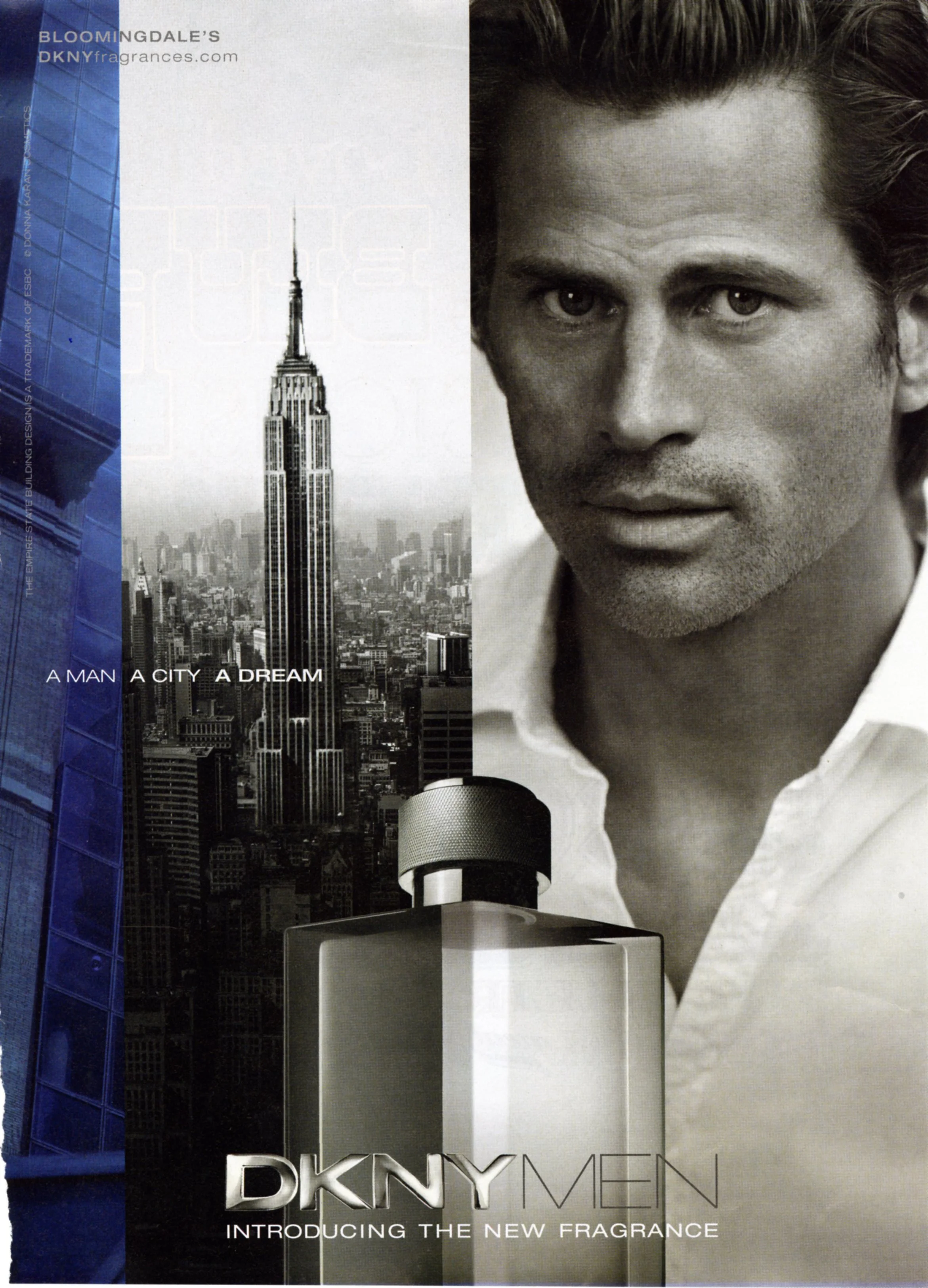
One of the most fulfilling things I have done in my life is write my graduate school thesis on the building height limit in DC. It gave me so much room to explore various questions and angles. One idea that has always stuck with me is the idea of society’s ambivalence towards urban height, which ends up consuming a chapter. It bounces between the unsettling images of trashscapes from the movie Wall-E and a seductive cologne ad with a striking Empire State Building.

What I have realized over the course of a few decades working in and studying cities is that these opposing views about height generalize to society’s broader views about cities, which I would say are ambivalent. It makes sense, given that cities are complex systems that focus a great deal of human experience into a small physical area. They create density, not only in the traditional sense of built square footage, but also density of interactions, collisions, creation, and conflict.
That density of experiences spins strong narratives. Cities, to some, are the highest order of human civilization. To others, they represent decay and danger. These opposing stories show up again and again in literature, entertainment, politics, and everyday conversation. There are many ways cities are seen as heroes or villains.
| City as Hero | City as Villain |
|---|---|
| home to lots of people | places people flee |
| gathering and civic centers | places of discord |
| fun, exciting, surprising | immoral and scary |
| springboard of opportunity | driver of inequality, inequity, and segregation |
| places of individual and community empowerment and expression | overpowering, overwhelming, and dehumanizing |
| walkable, transitable, and environmentally friendly | unhealthy and "paved paradise" |
Familiarity Breeds Villainization
Recently a project I am working on put out a call for research on the history of cities. Given what we got back, you’d think cities were mostly villains. There were a large number of responses about the first generation of Urban Renewal in the 1960s, gentrification, urban highways, and segregation. One colleague termed this a fascination with the “bummers.” For our urban planner researchers, many of the topics have comfortingly clean roles for good and evil. Their city is monochrome and interestingly the villain is often previous urban planners. This tendency makes sense given that professionals who may have been attracted to a field because they like the topic and want to fix things can be tempted to fixate on the problems, failures, and warts.
Such a fixation can lead to missing opportunities for deeper inquiry, more nuance, and a better frame for making policy. A small example is Urban Renewal. In DC, there was a second generation of the policy that was far more community-oriented, and is far less talked about than the infamous Southwest Urban Renewal. But even that villainous version of Urban Renewal has, a few generations later, become its own unique and beloved neighborhood. There is a lot we can learn from digging into these nuances rather than looking for villains.
Beautifully complex and flawed technicolor cities
My point is not that everyone should gloss over the bummers, but rather that everyone, whether an urbanist, suburbanist, ruralist, or none-of-the-aboveist, should revel in the complexities. Individuals can hold both hero and villain views at the same time and individual cities can inhabit both realities.
Perhaps because of the business I’m in, I think the overall good produced by our cities generally outweighs the bad. Cities are critical producers of innovation, arts, culture, lower-environmental impact living, cross-generation and cross-socioeconomic mixing, and economic growth. There’s plenty of room for optimism, even while acknowledging there’s lots of work to be done to make cities better. I have seen the value of optimism in the face of challenging headwinds recently in my work with DC’s downtown recovery and in the economic ramifications of the dramatic reduction in federal government employment over the last year. I realize that much of my work is attempting to help places move toward the optimistic and heroic side of the ledger.
My wife, an 11th grade history teacher, shared that one of her roles is to take students from the basic "positives vs. negatives” binary analysis of history to the more advanced, nuanced, and interesting complexities that can see heroes as flawed and villains as empathetic. I think this way of framing is about seeing history in technicolor rather than simplistic black and white.
The same is true of cities. The list of dichotomies is not asking you to choose a side. Both sides are true. The challenge is in wrestling with both truths. How do we understand and address Wall-E’s trashscapes while reveling in the glamorous cityscapes of cologne ads?